About Tyson Sharpe
BPsych, MAPS, MAAPi
General Psychologist
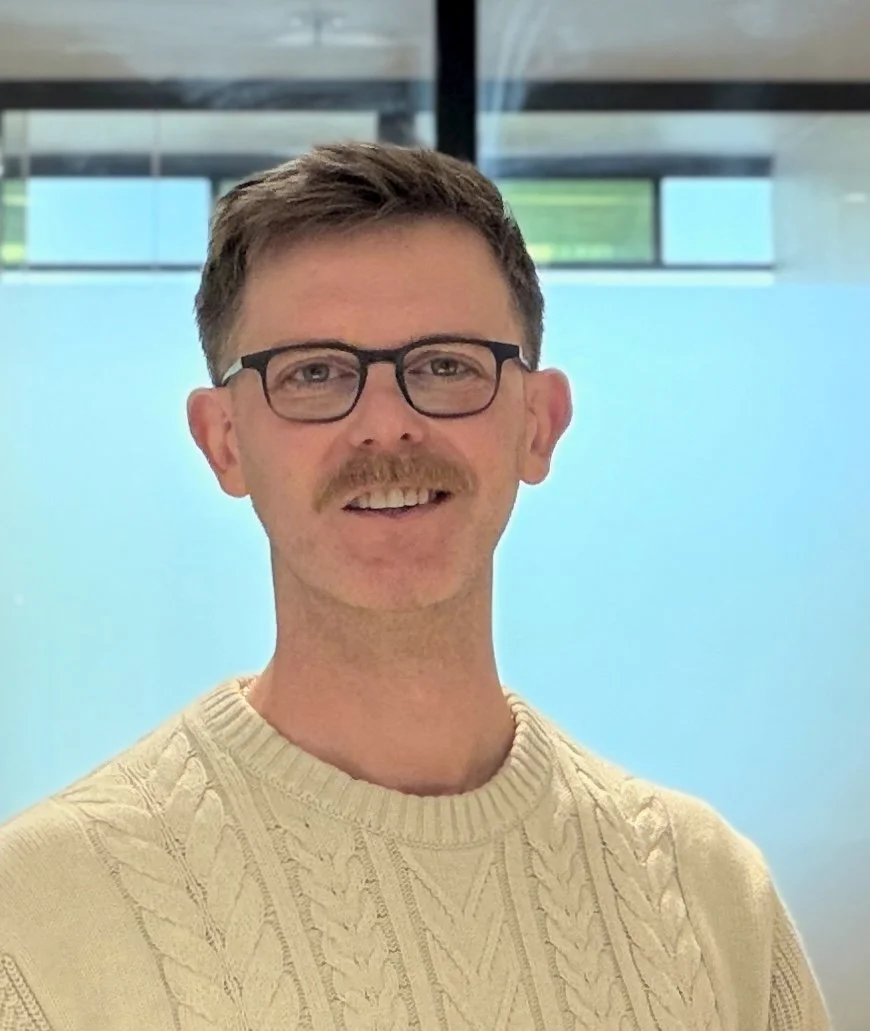
Tyson is a general psychologist who has been practising since 2010. His background includes crisis and psychiatric services, forensic and correctional psychology, persistent pain and injury management, private practice, and corporate and employee assistance services.
Much of this work has involved supporting people in complex or high-stress circumstances, including acute mental health presentations and compensation and injury contexts.
Tyson’s approach
Tyson works collaboratively to understand what is happening for you, what may be contributing, and what you have already tried.
Therapy may focus on practical problem-solving, understanding longer-standing patterns, or making sense of difficult experiences and their ongoing impact.
He explains the reasoning behind the work and is open to changing direction if something does not feel useful.
How Tyson can help
Tyson provides individual therapy for adults. Areas he works with include:
Trauma-informed therapy and PTSD
Therapy for post-traumatic stress disorder (PTSD) and the effects of trauma, including intrusive memories, avoidance and feeling constantly on alert. Work may include finding ways to manage distress and, where appropriate, processing traumatic experiences.
Anxiety and worry
Support with persistent worry, panic, overthinking, avoidance and perfectionism. Therapy explores what keeps anxiety going and ways of responding to thoughts, physical sensations, uncertainty and situations that have become difficult to face.
Low mood and depression
Support with depression, persistent low mood, loss of motivation or interest, and withdrawal. Therapy may focus on understanding what has contributed to these difficulties, addressing unhelpful patterns and reconnecting with everyday life.
Bipolar disorder
Psychological support for people living with bipolar disorder, including understanding mood patterns, recognising early warning signs, maintaining routines and managing the impact on work, relationships and daily life.
Schizophrenia and psychosis
Psychological support for people living with schizophrenia or experiences of psychosis. Therapy can focus on coping with distressing experiences, everyday functioning, relationships and personal recovery goals.
Addiction and substance use
Support with alcohol or drug use and other addictive behaviours. Therapy explores the role these patterns play in your life, your reasons for change, and practical ways to manage urges, reduce harm and work towards your goals.
ADHD and neuroaffirmative therapy
Tyson takes a neuroaffirmative approach, recognising differences in how people think, process information and experience the world. Support may focus on organisation, time management, task initiation, emotional regulation and self-esteem, with strategies adapted to your strengths, needs and circumstances.
LGBTQIA+ affirming therapy
Affirmative therapy that respects and supports your sexuality, gender and identity. This may include relationships, coming out, discrimination, minority stress or other concerns you want to work on. You decide how much your identity is part of the conversation and what is relevant to therapy.
Persistent pain, injury and health conditions
Support with the emotional and practical impact of persistent pain, injury or illness, including changes to sleep, work, relationships, identity and confidence. Therapy may involve adjusting to change, managing patterns of avoidance or overexertion, and maintaining quality of life.
Stress, burnout and workplace difficulties
Support with ongoing stress, burnout, workplace conflict, high demands and organisational change. Therapy can help identify what is contributing to the pressure, consider boundaries and practical changes, and work through decisions about what comes next.
Relationships and interpersonal difficulties
Individual therapy for difficulties with communication, conflict, boundaries, trust and recurring relationship patterns. Tyson provides individual therapy rather than couples or family therapy.
Life changes, grief and adjustment
Support during relationship changes, loss, relocation, changes in work or other significant transitions. Therapy offers space to make sense of what has changed and find ways forward when previous ways of coping no longer fit.
Therapeutic approaches
Tyson draws on a range of evidence-based psychological approaches, guided by the person, their circumstances and the goals of therapy. These may include:
- Cognitive behavioural therapy (CBT)
- Acceptance and commitment therapy (ACT)
- Motivational interviewing (MI)
- Schema therapy
- Eye movement desensitisation and reprocessing (EMDR)
Tyson provides trauma-informed therapy, with attention to safety, trust, choice and collaboration. The pace of the work is agreed together.
EMDR is provided face-to-face only and is not offered via telehealth. Face-to-face appointments are coming soon.
Professional memberships
Tyson is a member of the Australian Psychological Society (APS) and the Australian Association of Psychologists Inc (AAPi).